RV Pad Gravel Calculator
Calculate gravel for RV pads. Typical depth 6–8 inches. Choose your shape below.
RV Pad Gravel – Rectangular
Width
Calculation is based on average density of 1700 kg/m³.
Calculation Results
Gravel Volume
0.00 m³
Gravel Weight
0.00 t
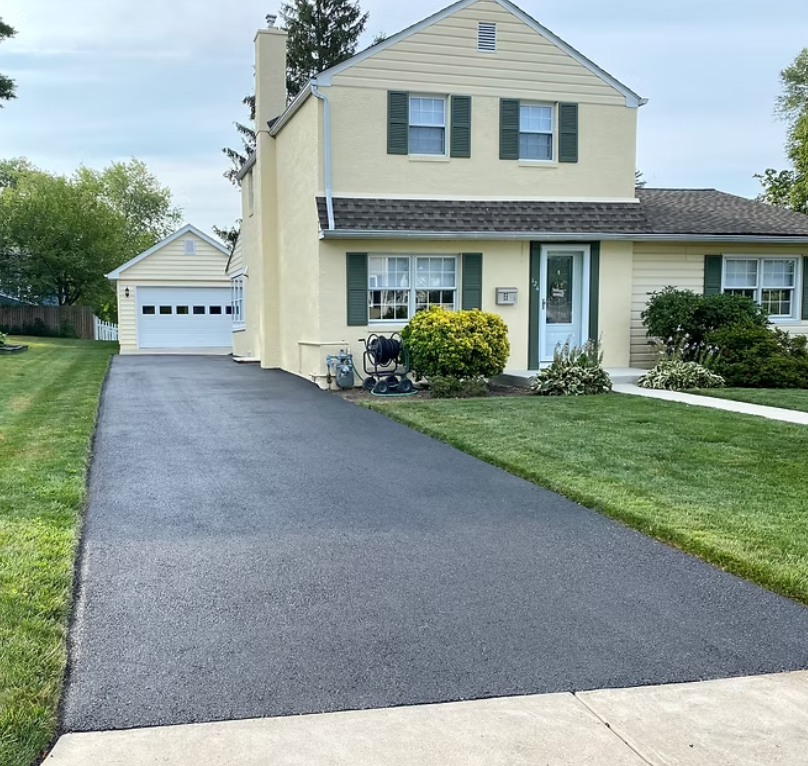
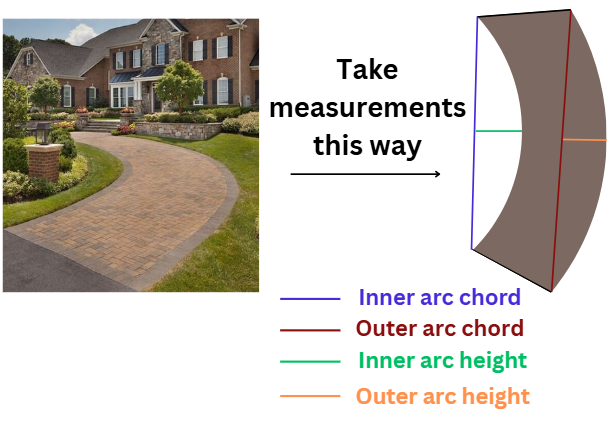
RV Pad Gravel – Curved
Calculation is based on average density of 1700 kg/m³.
Calculation Results
Gravel Volume
0.00 m³
Gravel Weight
0.00 t
Rectangular RV Pad Gravel Calculator
Calculation is based on average density of 1700 kg/m³.
Calculation Results
Gravel Volume
0.00 m³
Gravel Weight
0.00 t
What Is an RV Pad?
An RV pad is a prepared parking surface designed to support the weight of recreational vehicles, campers, trailers, and motorhomes without rutting, sinking, or shifting. Gravel RV pads are popular because they are more affordable than concrete, drain well, and can be built in stages.
A proper RV pad is not just loose gravel dumped on the ground. It needs the right depth, suitable aggregate, and compaction so the surface can handle heavy loads over time.
Best Gravel for an RV Pad
| Material | Best Use | Why It Works |
|---|---|---|
| Crusher run | Base and surface for many RV pads | Compacts tightly and handles heavy loads |
| Dense graded aggregate (DGA) | Heavy-duty RV and camper pads | Strong, compactable, and stable |
| 3/4″ crushed stone | Top layer or drainage-supporting layer | Good load support with less shifting than rounded gravel |
| Pea gravel | Usually not recommended | Too loose for heavy RV loads |
How Much Gravel Do You Need for an RV Pad?
RV pad gravel is calculated using:
Volume = Length × Width × Depth
The calculators above estimate gravel for rectangular, curved, and other RV pad layouts by multiplying the pad area by the finished gravel depth. The result is then converted into cubic yards, cubic feet, or weight using density.
Typical RV Pad Depth
| Pad Use | Typical Depth |
|---|---|
| Light camper / trailer pad | 4″ – 6″ |
| Standard RV pad | 6″ – 8″ |
| Heavy motorhome or soft subgrade | 8″ – 12″ |
In softer soils or wet areas, more depth may be needed to reduce rutting and long-term settlement.
How Large Should an RV Pad Be?
The pad should be sized for the full RV footprint, plus enough extra room for clearance, leveling blocks, access, and entry steps. In many cases, the gravel area is made longer and wider than the exact RV dimensions so the vehicle is easier to park and maneuver.
- Allow for the full RV or camper length
- Add working room around the parking area where needed
- Consider tow vehicle space if the trailer remains hitched
- Plan for door swing, hookups, and walking clearance
Why Compaction Matters for RV Pads
RVs place much more weight on a gravel surface than a normal walkway or decorative stone area. Without proper compaction, the gravel shifts, wheel tracks form, and the pad can settle unevenly.
That is why RV pads are usually built in compacted lifts rather than placing the full gravel depth all at once.
Important RV Pad Installation Tips
- Remove topsoil and soft organic material before adding gravel
- Compact the gravel in layers instead of all at once
- Use a compactable aggregate rather than loose rounded gravel
- Provide slight slope for drainage so water does not sit on the pad
- Use geotextile fabric if the subgrade is soft or prone to mixing
- Order extra gravel to account for compaction and uneven grade
Common Mistakes to Avoid
- Using pea gravel or decorative gravel as the main RV pad surface
- Installing too little depth for the vehicle weight
- Skipping compaction
- Building on soft, wet soil without stabilization
- Making the pad too short or too narrow for real use
RV Pad Gravel vs Driveway Gravel
RV pad gravel and driveway gravel often overlap, but RV pads may need more attention to thickness and compaction because large motorhomes and campers create concentrated loads. A gravel that works for light car traffic may not be enough for a heavy RV, especially on weak soil. Compare the driveway gravel calculator for general vehicle areas, or the Class 5 gravel calculator when you are using a dense graded base.
FAQs
How much gravel do I need for an RV pad?
That depends on the pad length, width, and gravel depth. Many RV pads use about 6 to 8 inches of gravel, but the calculator above gives a more accurate estimate for your exact dimensions.
What is the best gravel for an RV pad?
Crusher run and dense graded aggregate are among the best choices because they compact tightly and support heavy loads better than loose rounded gravel.
How deep should gravel be for an RV pad?
Many RV pads use 6 to 8 inches of gravel, while heavier rigs or weaker soils may require 8 to 12 inches for better long-term stability.
Can I use pea gravel for an RV pad?
Usually no. Pea gravel tends to shift under heavy loads and does not compact well enough for most RV pad applications.