Sand Calculator
How much sand do I need? Estimate sand volume, weight, coverage, and yardage for any shape. Get results in cubic yards, cubic feet, tons, and optional bag/cost estimates.
Choose Your Shape
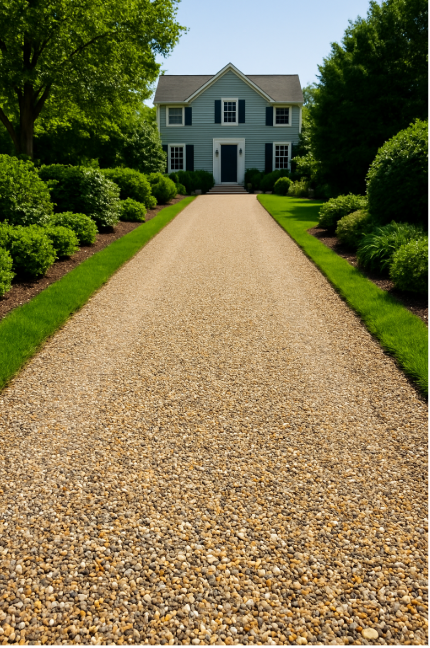
Sand Calculator – Straight Path
Width
Calculation is based on average density of 1600 kg/m³.
Calculation Results
Gravel Volume
0.00 m³
Gravel Weight
0.00 t
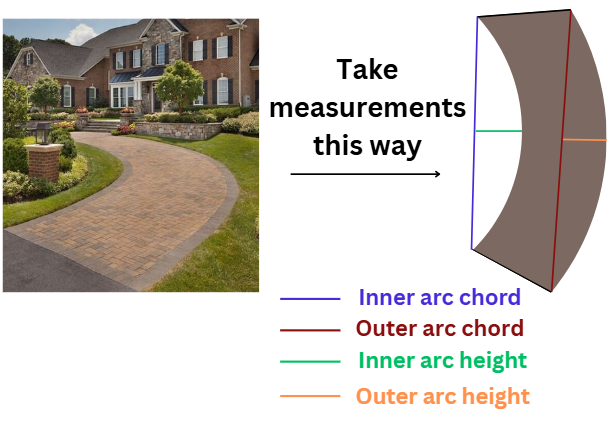
Sand Calculator – Curved Path
Calculation is based on average density of 1600 kg/m³.
Calculation Results
Gravel Volume
0.00 m³
Gravel Weight
0.00 t
Sand Calculator – Circular Area
Calculation is based on average density of 1600 kg/m³.
Calculation Results
Gravel Volume
0.00 m³
Gravel Weight
0.00 t

Sand Calculator – Annular Ring
Calculation is based on average density of 1600 kg/m³.
Calculation Results
Gravel Volume
0.00 m³
Gravel Weight
0.00 t

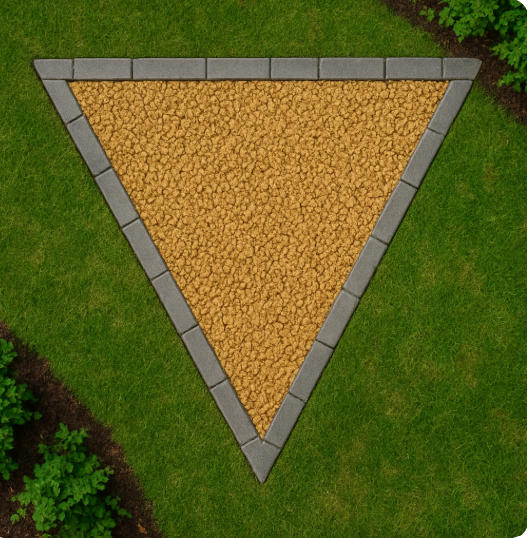
Sand Calculator – Triangular Area
Weight is calculated on the average pea gravel density of 1600 kg/m³. You can always enter the density manually for customized calculations.
Calculation Results
Gravel Volume
0.00 m³
Gravel Weight
0.00 t
Sand Calculator – Rectangular Area
Calculation is based on average density of 1600 kg/m³.
Calculation Results
Gravel Volume
0.00 m³
Gravel Weight
0.00 t
Sand Bags & Cost – Rectangle
Calculation Results
Sand Volume
0.00 yd³
Bags Needed
0
0.00 exact
Estimated Cost
0.00 USD
Sand Calculator – Enter Area (sq ft)
If you already know the total bed area (for example from a plan), enter it here—no shapes needed.
Common bags are 2 cu ft. Adjust if yours are different.
Calculation Results
Sand Volume
0.00 yd³
Bags Needed
0
0.00 exact
Estimated Cost
0.00 USD
Please enter a valid area and depth (> 0).
How Does the Sand Calculator Work?
This sand calculator estimates the total sand required by combining three key inputs:
- area (based on shape and dimensions)
- depth (thickness of the sand layer)
- material density
Volume = Area × Depth
Once the volume is calculated, it is converted into cubic yards, cubic feet, or cubic meters. The calculator then applies sand density to estimate total weight in tons, kilograms, or pounds.
Default sand density is set to 1,600 kg/m³, but this can be adjusted if your supplier provides a different value.
What This Sand Calculator Can Be Used For
If your project is mix-design focused, try the sand and cement calculator. For bedding layers beneath pavers, use the paver sand calculator.
| Project Type | Typical Use |
|---|---|
| Paver base / leveling | Bedding sand under patios and walkways |
| Pool base | Sand under above-ground pools |
| Concrete preparation | Fine aggregate layer before pouring |
| Backfill and fill | Filling low spots or trenches |
| Play areas / landscaping | Surface leveling and soft ground cover |
| Construction projects | General sand estimation for site work |
Sand Coverage by Depth
Sand coverage changes significantly with depth. The same volume of sand will cover less area as the layer becomes thicker.
| Depth | Coverage per Cubic Yard |
|---|---|
| 1 inch | ~324 sq ft |
| 2 inches | ~162 sq ft |
| 3 inches | ~108 sq ft |
| 4 inches | ~81 sq ft |
These are general estimates. Actual coverage may vary based on compaction, moisture, and surface conditions.
Sand Density and Weight Conversion
Sand weight depends on density, which varies based on moisture and compaction.
| Condition | Approx. Density |
|---|---|
| Dry sand | ~1,500 – 1,600 kg/m³ |
| Damp sand | ~1,600 – 1,800 kg/m³ |
| Wet / compacted sand | ~1,800 – 2,000 kg/m³ |
If you are converting cubic yards to tons, a common rule of thumb is:
1 cubic yard ≈ 1.3 to 1.5 tons of sand
For precise conversion, use our sand conversion calculator.
How to Estimate Sand for Your Project
- Measure the project area accurately
- Choose the correct depth based on application
- Use the correct shape calculator for better accuracy
- Adjust density if your material differs
- Add extra material for compaction and waste
Common Sand Types
| Sand Type | Typical Use |
|---|---|
| Sharp sand | Concrete, screed, drainage layers |
| Building sand | Mortar and brickwork |
| Play sand | Play areas and landscaping |
| Fill sand | Backfill and leveling |
| Silica sand | Filtration and specialty uses |
Common Mistakes to Avoid
- Using incorrect depth assumptions
- Ignoring compaction and settlement
- Confusing cubic yards with tons
- Using the wrong sand type for the job
- Not ordering extra material for waste and leveling
FAQs
How much sand do I need?
Enter your project dimensions and depth in the calculator above. It will estimate volume, weight, and optional bag count based on your inputs.
How do I convert cubic yards of sand to tons?
Multiply the volume by sand density. A common estimate is 1 cubic yard equals about 1.3 to 1.5 tons depending on moisture and compaction.
What is the density of sand?
Dry sand averages around 1,600 kg/m³, but wet or compacted sand can be significantly heavier.
Should I order extra sand?
Yes. Adding 5–10% extra is common to cover compaction, uneven surfaces, and material loss during installation.