Paver Sand Calculator
Bedding sand, leveling sand, patio sand, and paver base sand. Estimate volume and weight for pavers, block paving, and patios. Typical depth: 1–2 inches for bedding.
Paver Sand – Rectangular Patio
Width
Calculation is based on average density of 1600 kg/m³.
Calculation Results
Gravel Volume
0.00 m³
Gravel Weight
0.00 t

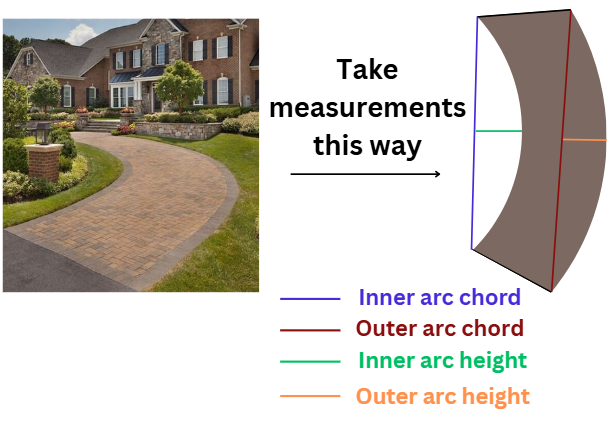
Paver Sand – Curved Path
Calculation is based on average density of 1600 kg/m³.
Calculation Results
Gravel Volume
0.00 m³
Gravel Weight
0.00 t
Paver Sand – Circular Patio
Calculation is based on average density of 1600 kg/m³.
Calculation Results
Gravel Volume
0.00 m³
Gravel Weight
0.00 t

Paver Sand – Annular Ring
Calculation is based on average density of 1600 kg/m³.
Calculation Results
Gravel Volume
0.00 m³
Gravel Weight
0.00 t

Paver Sand – Rectangle
Calculation is based on average density of 1600 kg/m³.
Calculation Results
Gravel Volume
0.00 m³
Gravel Weight
0.00 t
Paver Sand – Bags & Cost
Calculation Results
Paver Sand Volume
0.00 yd³
Bags Needed
0
0.00 exact
Estimated Cost
0.00 USD
What Is Paver Sand?
Paver sand is the sand layer used beneath pavers to create a smooth, level bedding course before the pavers are laid. It helps correct minor surface irregularities, supports uniform placement, and improves the finished appearance of patios, walkways, and block paving installations.
It is important not to confuse paver sand with the compacted gravel base below it or the jointing material placed between pavers after installation. Each layer serves a different purpose.
Paver Sand vs Base Material vs Joint Sand
| Layer | Material | Main Purpose |
|---|---|---|
| Bedding layer | Paver sand / bedding sand | Creates a level setting bed under pavers |
| Base layer | Crushed stone / paver base gravel | Provides structural support and drainage |
| Joint filling | Polymeric sand or joint sand | Locks pavers and reduces weed/insect intrusion |
How Much Sand Do You Need for Pavers?
Paver sand quantity is calculated using:
Volume = Area × Depth
For most paver installations, the bedding sand layer is usually around 1 inch thick after screeding. Some jobs may use up to 1.5 or 2 inches, but thicker bedding layers are generally avoided because they can lead to movement and uneven settling.
Typical Paver Sand Depth
| Application | Typical Bedding Depth |
|---|---|
| Paver patio | 1″ |
| Walkway or path | 1″ |
| Block paving | 1″ – 1.5″ |
| Minor leveling correction | Up to 2″ in limited spots |
Types of Sand Used for Pavers
| Sand Type | Use | Notes |
|---|---|---|
| Bedding sand | Under pavers | Main leveling layer before laying pavers |
| Concrete sand | Under pavers | Common choice due to coarse texture and drainage |
| Leveling sand | Under pavers | General term for screeded bedding sand |
| Polymeric sand | Between paver joints | Not used as the bedding layer |
Best Sand for Paver Bedding
Coarse washed concrete sand is one of the most common choices for paver bedding because it drains well and holds its shape better than very fine sands. Fine masonry sand may be too soft or unstable for some paver installations, especially where long-term settlement resistance matters.
In most patio and walkway projects, the best bedding layer is a thin screeded layer over a properly compacted gravel base.
How Paver Sand Fits Into the Full Installation
- Excavate the area to the required depth
- Install and compact the gravel base layer
- Screed a thin bedding layer of paver sand
- Lay the pavers
- Fill the joints with polymeric sand or jointing sand
If you need the gravel layer below the sand, use the paver gravel calculator. If you need sand for the joints between pavers, use the polymeric sand calculator.
Important Tips for Paver Sand Installation
- Keep the bedding layer thin and even, usually around 1 inch
- Do not use the sand layer to correct major grade problems
- Compact the gravel base before adding bedding sand
- Use screed rails or guides for a uniform finish
- Order extra sand to allow for waste and minor site adjustment
Common Mistakes to Avoid
- Using joint sand as bedding sand
- Installing pavers over a thick, loose sand layer
- Skipping the compacted gravel base underneath
- Using very fine sand that shifts too easily
- Trying to level major dips only with sand instead of fixing the base
FAQs
How much sand do I need for pavers?
That depends on the patio or walkway area and the bedding depth. Most paver installations use about 1 inch of bedding sand, but the calculator above gives a more accurate estimate based on your exact dimensions.
What is paver bedding sand?
Paver bedding sand is the thin leveling layer placed directly under pavers after the gravel base has been compacted. It helps create an even surface for the pavers to sit on.
Is paver sand the same as polymeric sand?
No. Paver sand is used beneath the pavers as a bedding layer, while polymeric sand is used in the joints between pavers after installation.
Can I use 2 inches of sand under pavers?
In most cases, 1 inch is preferred. A thicker sand layer can lead to uneven settling, so deeper correction is usually handled in the gravel base rather than the bedding sand.