Backfill Calculator
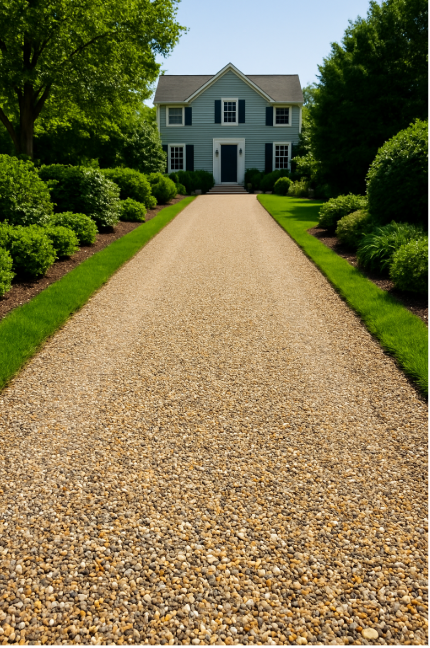
Calculate backfill for trenches and foundations. Choose your shape below.
Backfill – Straight Trench
Width
Calculation is based on average density of 1400 kg/m³.
Calculation Results
Gravel Volume
0.00 m³
Gravel Weight
0.00 t
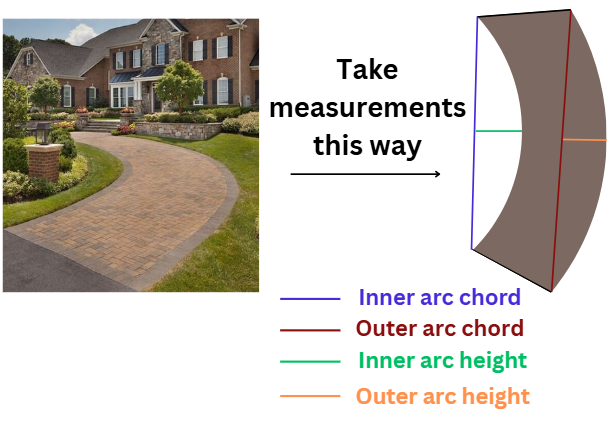
Backfill – Curved Trench
Calculation is based on average density of 1400 kg/m³.
Calculation Results
Gravel Volume
0.00 m³
Gravel Weight
0.00 t
Rectangular Backfill Calculator
Calculation is based on average density of 1400 kg/m³.
Calculation Results
Gravel Volume
0.00 m³
Gravel Weight
0.00 t
What Is Backfill Material?
Backfill refers to material placed back into an excavation after construction work such as foundations, trenches, or underground utilities. It restores ground level, provides structural support, and ensures proper drainage around built elements.
The type of backfill used depends on the application. Soil backfill is common for general fill, while gravel or crushed stone is preferred where drainage and load stability are critical.
Common Types of Backfill Materials
| Material | Typical Density (kg/m³) | Best Use |
|---|---|---|
| Excavated soil | 1,200 – 1,600 | General fill, landscaping |
| Compacted clay | 1,500 – 1,800 | Structural fill, embankments |
| Sand | 1,500 – 1,700 | Pipe bedding, leveling |
| Gravel / crushed stone | 1,600 – 2,000 | Drainage and foundation support |
| Flowable fill (CLSM) | 1,800 – 2,200 | Controlled low-strength fill |
How Backfill Volume Is Calculated
Backfill volume is calculated based on the excavation size and depth:
Volume = Length × Width × Depth
For trenches, width may vary depending on pipe diameter or excavation slope. The calculators above allow both fixed and variable widths to reflect real trench conditions.
Backfill for Trenches vs Foundations
| Application | Material | Key Requirement |
|---|---|---|
| Utility trenches | Sand or gravel | Proper compaction and pipe protection |
| Foundation walls | Granular fill | Drainage and reduced pressure |
| Slab backfill | Compacted soil or sand | Uniform support |
| Retaining walls | Gravel | Drainage to relieve hydrostatic pressure |
Compaction and Settlement Considerations
Backfill material must be compacted in layers to prevent future settlement. Loose fill can settle over time, leading to surface depressions, structural instability, or damage to foundations and utilities.
Typical compaction practices:
- Compact in layers of 6″–12″ thickness
- Use mechanical compaction for structural areas
- Add 5–15% extra material to account for compaction loss
Drainage and Backfill Selection
Drainage is a critical factor when selecting backfill material. Poor drainage can lead to water buildup and pressure against structures.
- Use gravel backfill for drainage-critical areas
- Install perforated pipes where water accumulation is expected
- Avoid clay soils near foundations due to water retention
Common Backfill Mistakes
- Using unsuitable soil with high moisture content
- Failing to compact in layers
- Ignoring drainage requirements near structures
- Overfilling without accounting for settlement
FAQs
What is the best material for backfill?
It depends on the application. Gravel is best for drainage, while compacted soil works for general fill. Sand is commonly used around pipes and utilities.
How much extra backfill should I order?
Add 5–15% extra material to account for compaction and settlement after installation.
Do I need to compact backfill?
Yes. Proper compaction is essential to prevent settling and ensure long-term stability.
Can I reuse excavated soil as backfill?
Yes, if the soil is suitable and free of debris. However, granular materials are preferred for structural and drainage applications.