Aggregate Calculator
Calculate aggregate for construction. Choose your shape below.
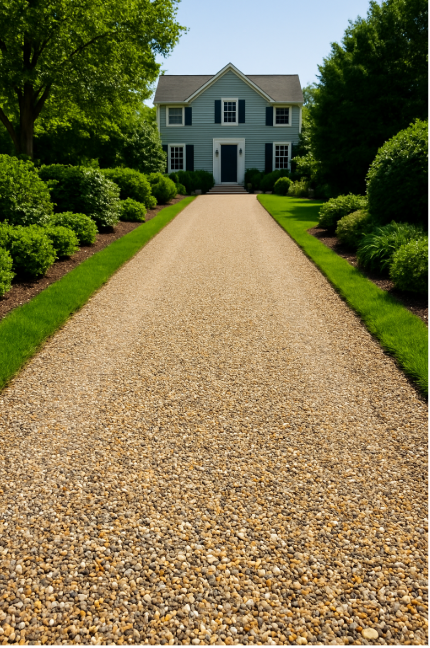
Aggregate Calculator – Straight Path
Width
Calculation is based on average density of 2000 kg/m³.
Calculation Results
Gravel Volume
0.00 m³
Gravel Weight
0.00 t
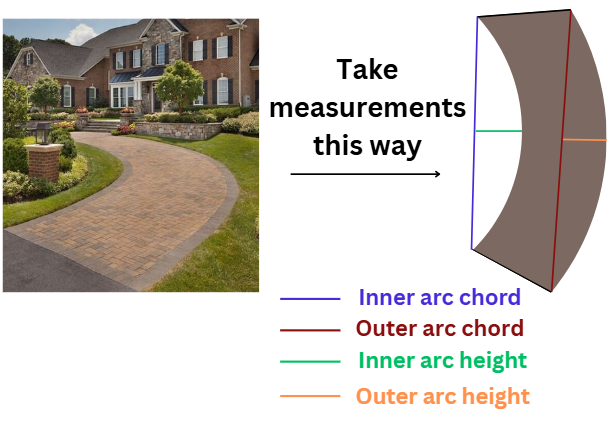
Aggregate Calculator – Curved Path
Calculation is based on average density of 2000 kg/m³.
Calculation Results
Gravel Volume
0.00 m³
Gravel Weight
0.00 t
Aggregate Calculator – Circular Area
Calculation is based on average density of 2000 kg/m³.
Calculation Results
Gravel Volume
0.00 m³
Gravel Weight
0.00 t

Aggregate Calculator – Annular Ring
Calculation is based on average density of 2000 kg/m³.
Calculation Results
Gravel Volume
0.00 m³
Gravel Weight
0.00 t

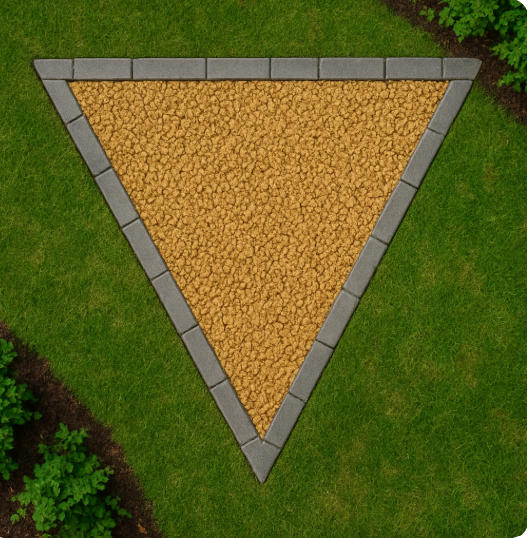
Triangular Aggregate Calculator
Weight is calculated on the average pea gravel density of 2000 kg/m³. You can always enter the density manually for customized calculations.
Calculation Results
Gravel Volume
0.00 m³
Gravel Weight
0.00 t
Rectangular Aggregate Calculator
Calculation is based on average density of 2000 kg/m³.
Calculation Results
Gravel Volume
0.00 m³
Gravel Weight
0.00 t
What Is Construction Aggregate?
Construction aggregate refers to granular materials such as crushed stone, gravel, sand, and recycled concrete used as a base or structural component in building projects. These materials form the foundation of roads, driveways, slabs, drainage systems, and structural fills.
Aggregates are selected based on strength, drainage properties, and compaction behavior. Coarse aggregates (like crushed stone) provide load-bearing support, while fine aggregates (like sand) fill voids and improve surface stability.
Common Types of Aggregate and Their Uses
For compacted base calculations, compare with the base material calculator and crusher run calculator. For stone-only mixes, the crushed stone calculator can be more specific.
| Aggregate Type | Size Range | Primary Use |
|---|---|---|
| Crushed Stone (#57, #67) | ½″ – 1″ | Drainage, concrete base, driveways |
| Crusher Run | Mixed (stone + fines) | Compacted base layers |
| Pea Gravel | ⅜″ rounded | Landscaping, walkways |
| Sand (Concrete / Mason) | Fine | Leveling, bedding, mixing |
| Recycled Concrete | Varies | Base fill, cost-effective projects |
Aggregate Density and Weight Considerations
Aggregate weight varies depending on material type, moisture content, and compaction. Typical densities range between 1,600 and 2,400 kg/m³. This calculator uses a default value of 2,000 kg/m³, which represents a balanced estimate for mixed construction aggregate.
Heavier materials such as granite or basalt-based aggregates can exceed 2,200 kg/m³, while lighter materials like recycled concrete may fall below 1,600 kg/m³. Adjust the density manually when working with specific material types or supplier specifications.
Typical Aggregate Depth by Application
| Application | Recommended Depth |
|---|---|
| Driveway base | 4″ – 6″ |
| Concrete slab base | 4″ – 8″ |
| Walkways / paths | 3″ – 4″ |
| Drainage trenches | 6″ – 12″ |
| Structural fill | Varies (engineered) |
How Aggregate Volume Is Calculated
Aggregate volume is calculated using the basic formula:
Volume = Area × Depth
The calculators above automatically compute area based on the selected shape (rectangular, circular, triangular, or curved paths) and multiply it by the chosen depth. The result is then converted into cubic meters, cubic yards, or cubic feet depending on your selection.
Where Aggregate Is Commonly Used
- Driveway and parking base layers
- Concrete slab foundations
- French drains and drainage systems
- Retaining wall backfill
- Road construction and sub-base preparation
- Pipe bedding and trench fill
Important Tips for Accurate Aggregate Estimation
- Add 5–10% extra material to account for waste and compaction
- Use higher depth values for soft or unstable soil conditions
- Compact aggregate in layers for structural applications
- Confirm material density with your supplier for precise weight estimates
- Use geotextile fabric below aggregate to prevent sinking and mixing with soil
FAQs
How much does 1 cubic meter of aggregate weigh?
On average, 1 cubic meter of aggregate weighs around 2,000 kg. This varies depending on material type and compaction level.
What is the difference between coarse and fine aggregate?
Coarse aggregate consists of larger stones used for strength and load distribution, while fine aggregate like sand fills gaps and improves compaction and surface finish.
Do I need to compact aggregate?
Yes. For structural uses such as driveways and slabs, aggregate must be compacted in layers to prevent settling and ensure long-term stability.
How much extra aggregate should I order?
It is recommended to order 5–10% more than the calculated volume to account for compaction, uneven surfaces, and material loss during installation.