Pipe Bedding Calculator
Calculate gravel for pipe bedding. Enter trench dimensions (length × width × depth).
Pipe Bedding – Straight Trench
Width
Calculation is based on average density of 1600 kg/m³.
Calculation Results
Gravel Volume
0.00 m³
Gravel Weight
0.00 t
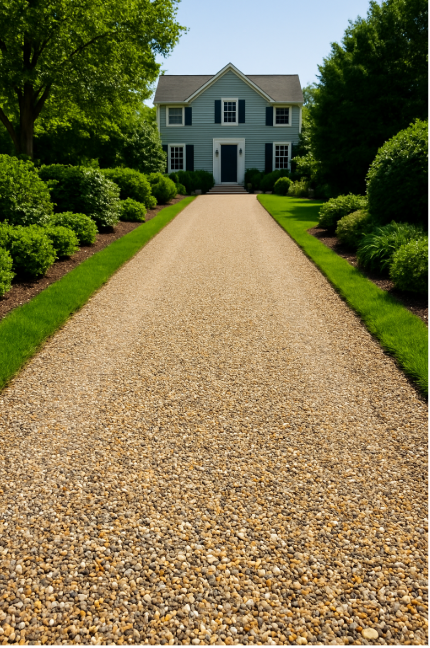
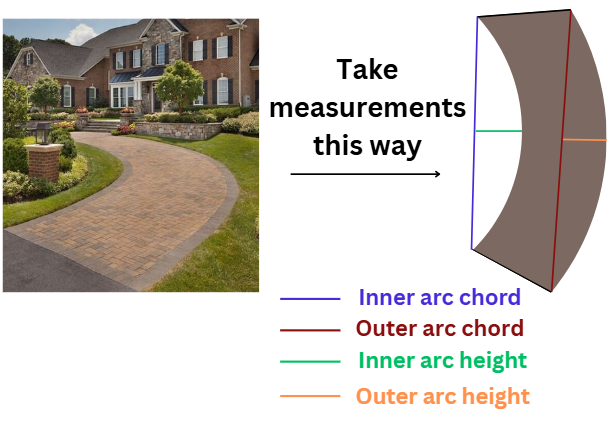
Pipe Bedding – Curved Trench
Calculation is based on average density of 1600 kg/m³.
Calculation Results
Gravel Volume
0.00 m³
Gravel Weight
0.00 t
Rectangular Pipe Bedding Calculator
Calculation is based on average density of 1600 kg/m³.
Calculation Results
Gravel Volume
0.00 m³
Gravel Weight
0.00 t
What Is Pipe Bedding?
Pipe bedding is the granular material placed below, around, and sometimes above a pipe to provide uniform support and reduce point loading. It helps keep the pipe properly aligned, improves load distribution, and protects it from damage caused by uneven trench bottoms or hard soil contact.
In most utility trenches, the bedding layer is one of the most important parts of the installation. Even a strong pipe can fail early if it is laid directly on rock, clods, or an uneven trench base.
Why Pipe Bedding Matters
| Function | Why It Matters |
|---|---|
| Uniform support | Prevents stress concentrations along the pipe |
| Load distribution | Helps spread soil and surface loads more evenly |
| Pipe protection | Reduces risk of cracking, deflection, or settlement |
| Alignment control | Helps maintain the designed trench grade and slope |
| Drainage improvement | Useful where trench water movement must be managed |
Common Materials Used for Pipe Bedding
| Material | Typical Use | Notes |
|---|---|---|
| Pea gravel | Utility trenches, drainage-friendly bedding | Rounded and easy to place around pipes |
| Clean crushed stone | Pipe support and trench bedding | Good support, but angular material should match project specs |
| Sand | Fine bedding for some utility lines | Often used where smooth support is needed |
| Native soil | Only in suitable conditions | Usually avoided unless approved and free of rocks/debris |
Typical Pipe Bedding Depth
Pipe bedding depth depends on pipe size, trench conditions, and project specifications, but a common field rule is:
- Below the pipe: about 4″ – 6″ of bedding
- Above the pipe: about 6″ – 12″ of cover before general backfill
- Side support: bedding should be worked around the pipe haunches for full support
Exact requirements can vary by pipe material and local utility standards, but the key principle is full, even support under and around the pipe.
How Pipe Bedding Quantity Is Calculated
Pipe bedding quantity is usually estimated using:
Volume = Length × Width × Depth
For straight trenches, this is usually the trench length multiplied by average trench width and bedding depth. For curved utility runs or irregular sections, the calculator above helps estimate the required gravel volume more accurately.
Pipe Bedding vs Backfill
| Layer | Main Purpose |
|---|---|
| Pipe bedding | Supports and protects the pipe directly |
| Initial backfill | Covers the pipe and helps lock it in place |
| Final backfill | Restores trench level to finished grade |
Important Installation Tips
- Remove rocks, debris, and hard projections from the trench bottom before bedding placement
- Do not lay pipe directly on uneven soil or exposed rock
- Provide full support under the pipe invert, not just at isolated points
- Work bedding material around the haunch area for better side support
- Keep trench grade consistent so the pipe maintains proper slope
- Add extra material to account for trench irregularities and field variation
Common Mistakes to Avoid
- Using oversized rock directly against the pipe
- Leaving voids under the pipe
- Ignoring side support around the lower pipe walls
- Assuming general backfill can replace bedding material
- Underestimating material due to uneven trench bottoms
Where Pipe Bedding Is Commonly Used
- Drainage pipe trenches
- Stormwater and culvert installations
- Water service lines
- Sewer and utility trenches
- Perforated drain systems and French drain pipe runs
FAQs
How much gravel do I need for pipe bedding?
That depends on trench length, width, and bedding depth. Many installations use around 4 to 6 inches below the pipe and 6 to 12 inches above it before backfilling, but exact quantities vary by trench size and pipe type.
What gravel is best for pipe bedding?
Pea gravel and clean crushed stone are common choices because they provide support and are easy to place around the pipe. The best material depends on pipe type and project specifications.
Can I use native soil for pipe bedding?
Usually only if the soil is approved, clean, and free from rocks or debris. Many utility installations use gravel or sand instead because they provide more uniform support.
What is the difference between pipe bedding and trench backfill?
Pipe bedding is the support material placed directly below and around the pipe, while trench backfill is the material used above that zone to refill the excavation to finished grade.