Base Material Calculator
Calculate base material for driveways and pavement. Choose your shape below.
Base Material – Straight Path
Width
Calculation is based on average density of 2000 kg/m³.
Calculation Results
Gravel Volume
0.00 m³
Gravel Weight
0.00 t
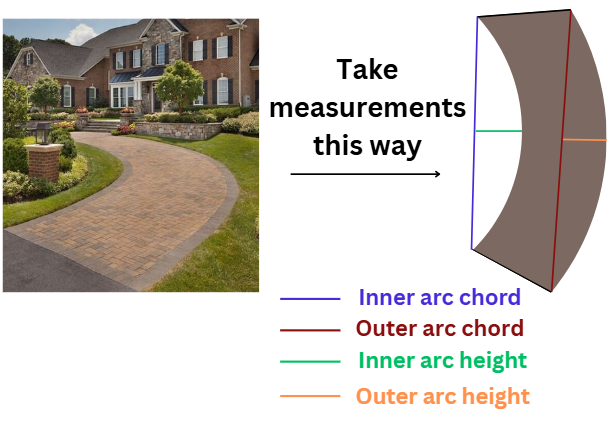
Base Material – Curved Path
Calculation is based on average density of 2000 kg/m³.
Calculation Results
Gravel Volume
0.00 m³
Gravel Weight
0.00 t
Base Material – Circular Area
Calculation is based on average density of 2000 kg/m³.
Calculation Results
Gravel Volume
0.00 m³
Gravel Weight
0.00 t

Rectangular Base Material Calculator
Calculation is based on average density of 2000 kg/m³.
Calculation Results
Gravel Volume
0.00 m³
Gravel Weight
0.00 t
What Is Base Material?
Base material is the compacted layer placed beneath driveways, patios, pavers, concrete slabs, and pavements to provide strength, load distribution, and drainage. It creates a stable platform above the soil so the surface layer does not shift, rut, or crack prematurely.
Common base materials include crusher run, dense graded aggregate (DGA), road base, and other compactable stone blends that combine coarse aggregate with fines. The fines help the material lock together under compaction, while the stone fraction provides structural support.
Common Types of Base Material
| Material | Typical Use | Characteristics |
|---|---|---|
| Crusher Run | Driveways, slabs, patios | Compacts tightly due to mixed stone and fines |
| Dense Graded Aggregate (DGA) | Pavement base, road sub-base | High stability and strong load distribution |
| Road Base | Roads, parking areas, heavy-use surfaces | Engineered for compaction and durability |
| Crushed Stone Base | Drainage-supporting foundations | Good structural support, less binding than crusher run |
| Recycled Concrete Base | Budget-conscious base layers | Economical, but quality can vary by source |
Why Base Material Matters
The surface layer of a driveway or pavement is only as good as the base beneath it. Weak or undersized base layers lead to settlement, potholes, rutting, edge failure, and cracking. A properly compacted base spreads the load from vehicles and foot traffic into the ground below.
In most outdoor projects, the base layer is the part doing the structural work. The surface layer mainly provides finish, appearance, and wear resistance.
Typical Base Material Depth by Application
| Application | Recommended Depth |
|---|---|
| Walkways / garden paths | 3″ – 4″ |
| Paver patio | 4″ – 6″ |
| Residential driveway | 4″ – 8″ |
| Heavy vehicle driveway | 8″ – 12″ |
| Parking pad / pavement base | 6″ – 10″ |
How Base Material Volume Is Calculated
Base material quantity is calculated using:
Volume = Area × Depth
The calculators above determine area based on the chosen shape, then multiply that area by the selected base depth. The result is converted into cubic meters, cubic yards, or cubic feet, and then into weight using the density value you select.
Density and Compaction
Base materials are usually heavier than loose decorative gravels because they contain fines and are meant to compact. A default density of 2,000 kg/m³ is a practical estimate for many driveway and pavement base materials, but actual values can vary depending on stone type, moisture, and compaction level.
Compaction also affects ordering. If you are calculating loose delivered material for a compacted finished layer, it is smart to allow extra volume to account for settlement during compaction.
Important Installation Tips
- Remove topsoil and organic material before placing base
- Install base in layers instead of dumping the full depth at once
- Compact each layer thoroughly with suitable equipment
- Use edge restraints where needed to keep the base from spreading
- Maintain slope for drainage so water does not sit on the finished surface
- Add extra material for compaction loss, uneven grade, and waste
Where Base Material Is Commonly Used
- Driveways and parking areas
- Paver patios and walkways
- Concrete slab sub-bases
- Road and pavement foundations
- Shed pads and equipment pads
- Courtyards and hardscape surfaces
Common Mistakes to Avoid
- Using decorative gravel instead of compactable base material
- Skipping compaction between layers
- Building over soft or wet subgrade without preparation
- Using insufficient depth for vehicles or heavy loads
- Ignoring drainage slope
FAQs
What is the best base material for a driveway?
Crusher run, DGA, and road base are among the best options because they compact well and provide strong support under vehicle loads.
How deep should base material be for a driveway?
Most residential driveways need 4 to 8 inches of compacted base, while heavier-use driveways may require 8 to 12 inches.
Do I need to compact base material?
Yes. Compaction is essential. Without it, the base will settle over time and the surface above can crack, shift, or rut.
How much extra base material should I order?
Ordering 5–10% extra is common to cover compaction, uneven grade, and minor waste during installation.