Quarry Dust Calculator
Calculate quarry dust for construction. Choose your shape below.
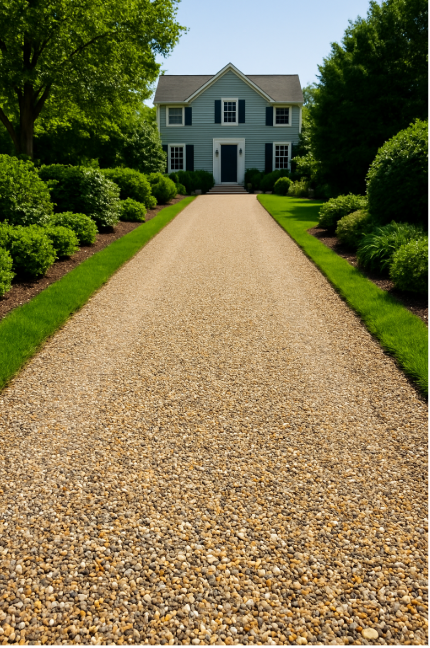
Quarry Dust – Straight Path
Width
Calculation is based on average density of 1700 kg/m³.
Calculation Results
Gravel Volume
0.00 m³
Gravel Weight
0.00 t
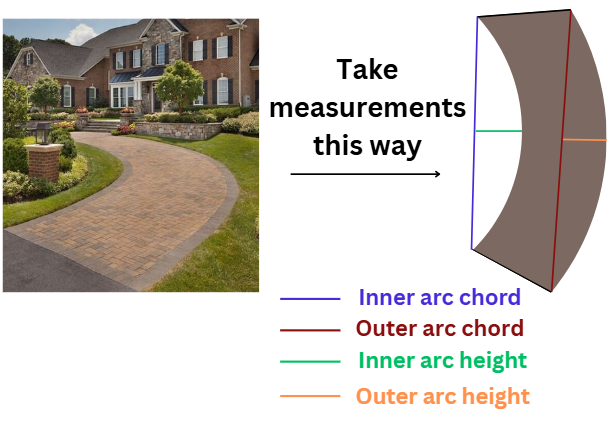
Quarry Dust – Curved Path
Calculation is based on average density of 1700 kg/m³.
Calculation Results
Gravel Volume
0.00 m³
Gravel Weight
0.00 t
Quarry Dust – Circular Area
Calculation is based on average density of 1700 kg/m³.
Calculation Results
Gravel Volume
0.00 m³
Gravel Weight
0.00 t

Rectangular Quarry Dust Calculator
Calculation is based on average density of 1700 kg/m³.
Calculation Results
Gravel Volume
0.00 m³
Gravel Weight
0.00 t
What Is Quarry Dust?
Quarry dust is the fine material produced during the crushing and screening of stone in quarries. It is made up of stone fines, dust-sized particles, and very small crushed fragments that remain after larger aggregate sizes are separated.
Because of its fine gradation, quarry dust is commonly used as a fill material, leveling material, compactable base component, and in some construction mixes where a dense, tightly packed layer is needed.
Common Uses of Quarry Dust
| Application | Why Quarry Dust Is Used |
|---|---|
| Paver base topping | Helps create a firm, compacted surface |
| Pathways and walkways | Compacts into a smooth finish |
| Filling low areas | Works as a dense fine fill material |
| Under-floor or slab leveling | Provides a compactable leveling layer |
| Block and paving works | Used as a fine base or joint-supporting layer in some applications |
| Construction mixes | Sometimes used as a partial sand replacement where suitable |
Quarry Dust vs Sand vs Crusher Dust
| Material | Main Characteristic | Typical Use |
|---|---|---|
| Quarry Dust | Fine stone byproduct from crushing | Fill, leveling, compacted surface layers |
| Sand | Naturally granular material | Concrete, bedding, mortar, leveling |
| Crusher Dust | Very fine crushed stone fines | Base finishing, pathways, compaction layers |
In many markets, quarry dust and crusher dust are used almost interchangeably, but the exact gradation can vary by quarry and stone source.
How Quarry Dust Quantity Is Calculated
Quarry dust quantity is calculated using:
Volume = Area × Depth
The calculators above estimate the area for straight paths, curved paths, circular sections, and rectangular areas, then multiply that area by the selected depth. The result is converted into cubic yards, cubic feet, or cubic meters, and then into weight using density.
Quarry Dust Density and Weight
Quarry dust commonly falls around 1,600 to 1,800 kg/m³ depending on the source rock, moisture content, and how tightly the material is packed. A default density of 1,700 kg/m³ is a practical estimate for many quarry dust calculations.
If your supplier provides a specific bulk density or tons-per-yard figure, use the manual override for better accuracy.
Typical Quarry Dust Depth by Application
| Project Type | Typical Depth |
|---|---|
| Walkway or path | 1″ – 3″ |
| Paver leveling / fine base layer | 1″ – 2″ |
| Low-spot filling | Varies by grade correction |
| Compacted surface layer | 2″ – 4″ |
| Under-slab or floor leveling | Project-specific |
Why Quarry Dust Is Useful in Compacted Layers
Quarry dust contains fine particles that help reduce air gaps and create a tighter, denser layer when compacted. That makes it useful where a firm finish is needed, especially in light-duty paths, paving support layers, and leveling work.
However, because it is a fine material, it is generally not the best choice where free drainage is the main priority.
Important Tips When Using Quarry Dust
- Compact the material in layers for a firmer finish
- Use it for leveling and fine fill, not as a substitute for drainage stone
- Check local material gradation because quarry dust varies by source
- Add extra material for compaction and minor site adjustment
- Keep the surface slightly graded so water does not sit on finished areas
Where Quarry Dust Should Not Be Used
- Drainage trenches where open water flow is required
- French drains or pipe surround where clean stone is needed
- Projects needing a coarse structural aggregate instead of fine fill
- Applications where heavy mud formation is likely under persistent saturation
FAQs
What is quarry dust used for?
Quarry dust is commonly used for leveling, fine filling, pathway construction, paver support layers, and compacted surface finishes.
Is quarry dust the same as sand?
No. Quarry dust is a crushed stone byproduct, while sand is a naturally granular material. They may look similar in some cases, but they behave differently in construction.
Can quarry dust be used under pavers?
In some projects, yes. It can be used as a fine compactable layer, but suitability depends on the paving method and local material characteristics.
How much quarry dust should I order?
Ordering 5–10% extra is common to cover compaction, uneven surfaces, and small losses during spreading and finishing.