Lawn Leveling Sand Calculator
Lawn leveling sand, topdressing sand, artificial turf sand infill. How much leveling sand do I need? Enter area and depth. Typical depth: 0.5–1.5 inches for leveling.
Lawn Leveling Sand – Rectangular Yard
Width
Calculation is based on average density of 1600 kg/m³.
Calculation Results
Gravel Volume
0.00 m³
Gravel Weight
0.00 t
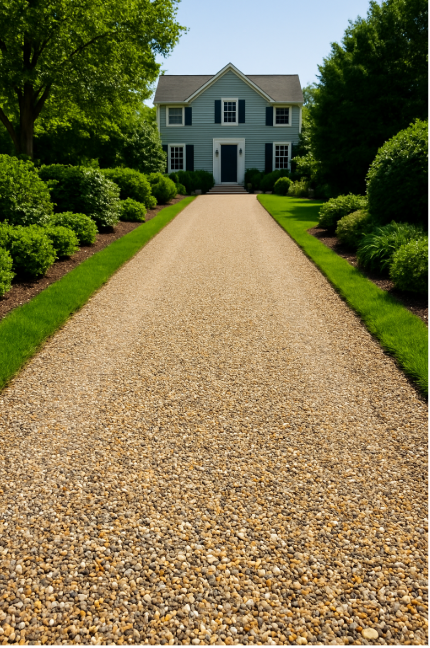
Lawn Leveling Sand – Rectangle
Calculation is based on average density of 1600 kg/m³.
Calculation Results
Gravel Volume
0.00 m³
Gravel Weight
0.00 t
Lawn Leveling Sand – Bags & Cost
Calculation Results
Leveling Sand Volume
0.00 yd³
Bags Needed
0
0.00 exact
Estimated Cost
0.00 USD
Lawn Leveling Sand – Enter Area (sq ft)
If you already know the total bed area (for example from a plan), enter it here—no shapes needed.
Common bags are 2 cu ft. Adjust if yours are different.
Calculation Results
Leveling Sand Volume
0.00 yd³
Bags Needed
0
0.00 exact
Estimated Cost
0.00 USD
Please enter a valid area and depth (> 0).
What Is Lawn Leveling Sand?
Lawn leveling sand is a fine, free-draining material used to smooth minor dips, low spots, and uneven areas in grass surfaces. It is commonly applied as part of lawn leveling, topdressing, and artificial turf preparation where a thin, even layer is needed rather than deep fill.
Unlike fill dirt or topsoil, leveling sand is used in shallow applications to refine the surface. It helps create a flatter lawn, improves mowing quality, reduces scalping, and makes the yard more even underfoot.
Lawn Leveling vs Topdressing vs Turf Infill
| Use | Typical Depth | Main Purpose |
|---|---|---|
| Lawn leveling | 0.5″ – 1.5″ | Correct low spots and smooth uneven ground |
| Topdressing | 0.25″ – 0.5″ | Improve surface quality and support turf recovery |
| Artificial turf base screed | 0.5″ – 1″ | Create a smooth bedding layer before turf installation |
| Artificial grass infill | Product-specific | Stabilize blades and improve performance |
How Much Sand Do You Need to Level a Lawn?
The amount of sand needed depends on the lawn area and the average depth of the low spots being corrected. The calculator uses:
Volume = Area × Depth
Because lawn leveling is usually shallow, even a small change in depth can significantly affect the amount of sand required. That is why using realistic depths such as 0.5 inch, 1 inch, or 1.5 inches matters more than guessing in bulk.
Best Sand for Lawn Leveling
The best leveling sand is usually a clean, screened sand that spreads evenly and drains well. Coarse or dirty sand can create surface inconsistency and make leveling harder.
| Sand Type | Best For | Notes |
|---|---|---|
| Washed leveling sand | Lawn leveling | Clean and easy to spread evenly |
| Topdressing sand | Thin lawn applications | Good for smoothing and turf recovery |
| Sharp sand | Artificial turf base | Common in turf preparation and screeding |
| Masonry sand | Some fine leveling jobs | Finer texture, but not always ideal for lawns |
Lawn Leveling Depth Guidelines
Most lawn leveling is done in thin layers. Adding too much sand at once can smother grass and slow recovery.
- 0.25″ – 0.5″: light topdressing and minor smoothing
- 0.5″ – 1″: typical lawn leveling for small depressions
- 1″ – 1.5″: deeper correction in uneven spots, usually done carefully or in stages
Artificial Turf Sand Notes
Artificial grass uses sand in two different ways. First, sharp sand may be used below the turf as a screeded bedding layer. Second, some systems use sand infill above the turf to help weigh down the grass and support the blades.
For infill, always follow the turf manufacturer’s recommendation because many products are specified by pounds per square foot rather than by simple depth alone.
Important Tips for Lawn Leveling
- Cut the grass before applying leveling sand
- Work the sand into the turf canopy with a leveling rake or drag mat
- Do not bury healthy grass under excessively thick layers
- Level in stages if deep corrections are needed
- Water and monitor recovery after application
Common Mistakes to Avoid
- Using too much sand in one application
- Using fill dirt instead of clean leveling sand
- Trying to fix severe grade problems with thin topdressing alone
- Ignoring turf type and recovery time
- Using unwashed sand that contains debris or excessive fines
FAQs
How much sand do I need to level my yard?
That depends on your lawn area and the average depth of correction. Most leveling jobs use between 0.5 and 1.5 inches, while topdressing is usually much thinner.
Can I use topsoil instead of sand for lawn leveling?
Topsoil is better for planting and soil improvement, but sand is usually preferred for leveling because it spreads more evenly and does not break down like organic material.
What sand should I use for artificial grass?
Sharp sand is commonly used beneath artificial turf as a screeded base layer, while infill sand depends on the turf product and manufacturer requirements.
Can too much sand damage a lawn?
Yes. Applying too much sand at once can smother grass and slow recovery, which is why shallow applications or staged leveling are usually the better approach.